Keeping a property running isn’t as simple as fixing whatever breaks. Buildings have a way of developing problems quietly, then loudly, and usually at the most inconvenient moment.
Whether you oversee one building or an entire portfolio, staying ahead of repairs, safety checks and daily upkeep is a job on its own.
We’ll break down what a property maintenance company does, how it supports smooth operations, and where it can make your life easier.
Key Notes
Property maintenance covers routine repairs, system servicing and daily building upkeep.
Preventive maintenance reduces emergencies, extends asset life and stabilizes operating costs.
Strong partners handle inspections, documentation and coordinated responses to urgent issues.
What Does A Property Maintenance Company Do?
Property maintenance is the hands-on, ongoing work that keeps a building running. It’s the repairs, the safety checks, the cleaning, the inspections, the preventive upkeep, and the emergency fixes that happen when something snaps at the wrong time.
It’s different from property management. Management handles leases, tenants, rent rolls, renewals. Maintenance is the team that shows up with tools, equipment, and solutions when something needs to be fixed, cleaned, evaluated, or prevented from getting worse.
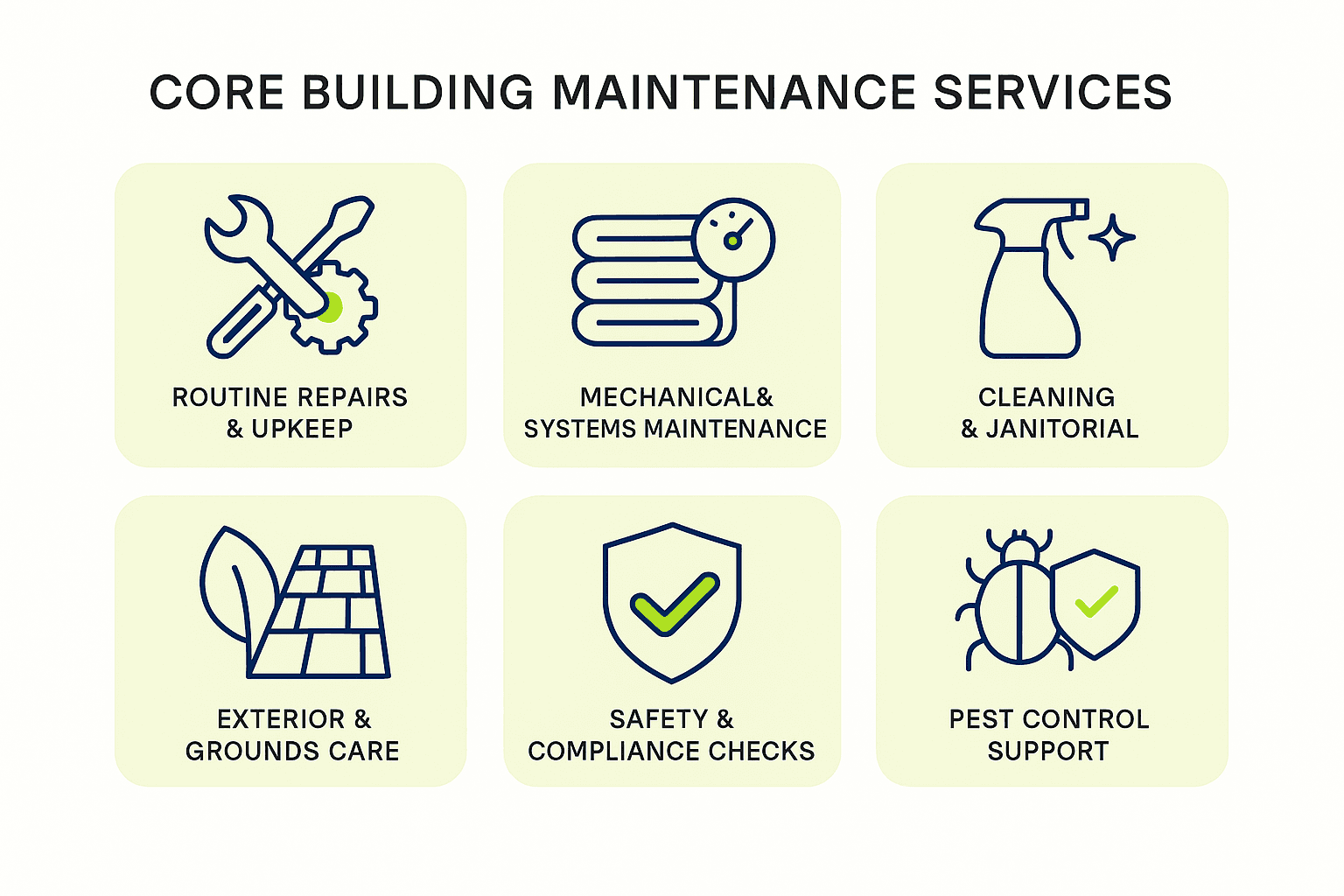
Core Building Maintenance Services
Routine Repairs and General Upkeep
Most maintenance companies handle the everyday repairs that keep a property functional. A sticking door, a loose hinge, a slow drip under the sink, or a damaged piece of trim doesn’t look dramatic on its own, but these small issues add up quickly.
Routine repairs prevent bigger failures and reduce unnecessary tenant complaints.
Mechanical & Systems Maintenance
Mechanical systems need consistent servicing to stay reliable.
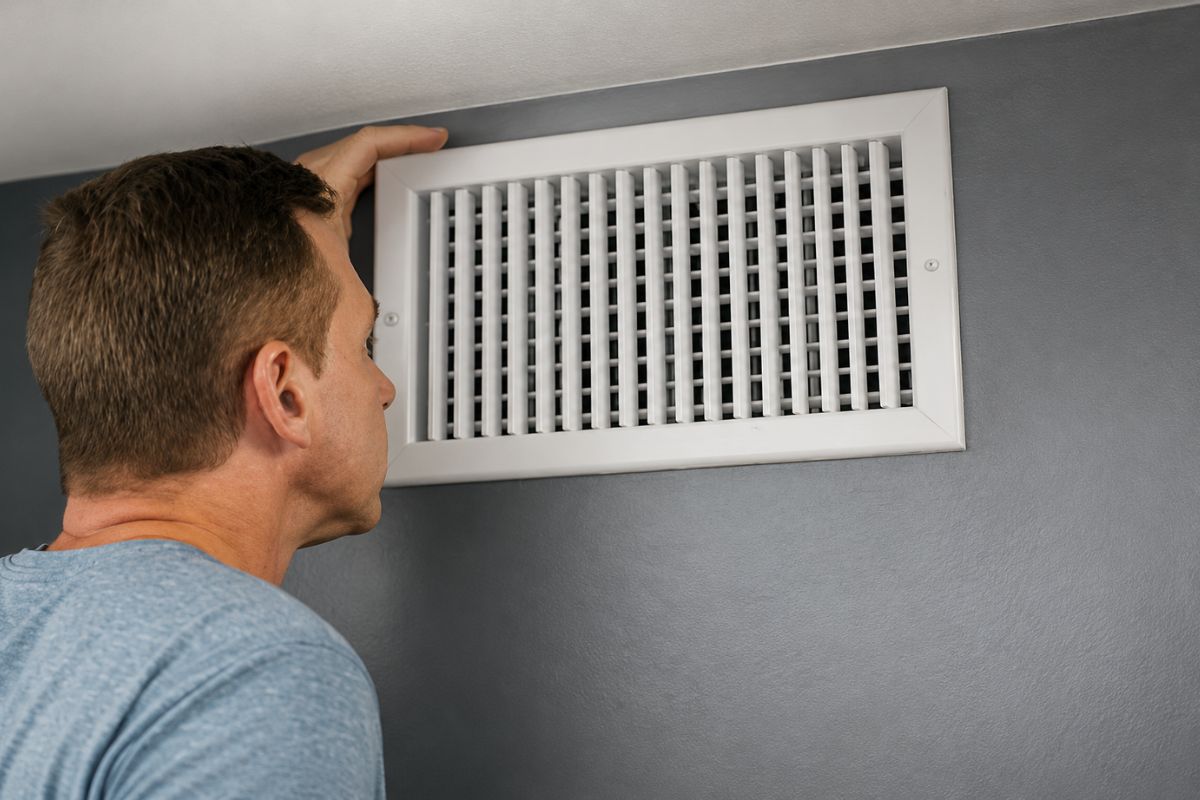
Maintenance teams typically handle filter changes, coil cleaning, drainage checks, lubrication, circulation pumps, small plumbing corrections, and basic electrical touchpoints.
These aren’t full-scale trade replacements, but they’re the preventive steps that keep HVAC, plumbing, and electrical systems running smoothly and help properties avoid emergency downtime.
Cleaning & Janitorial Programs
A clean property operates better and keeps occupants happier.
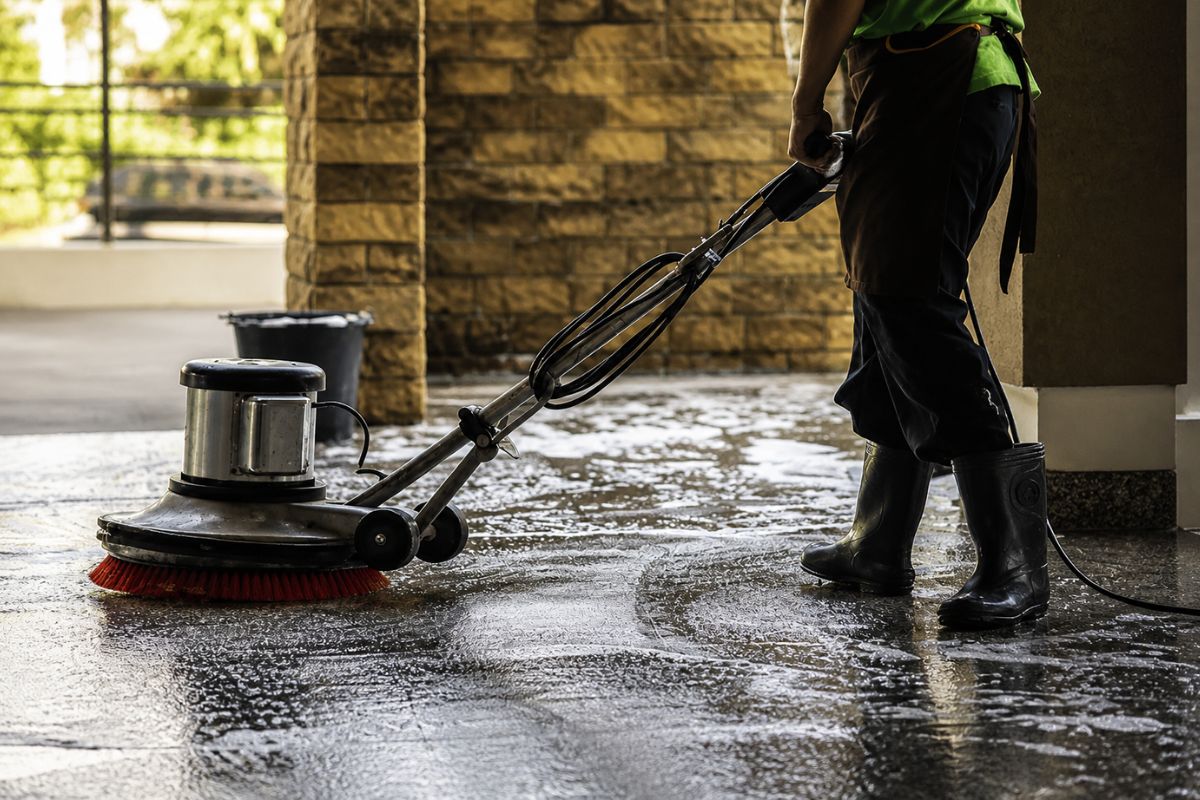
Maintenance companies often provide daily, weekly, or periodic cleaning for lobbies, corridors, elevators, restrooms, and shared amenities. Many also support turnover cleaning between tenants and deep cleaning after repair work.
Strong cleaning programs help maintain hygiene standards and protect the building’s appearance.
Exterior & Grounds Maintenance
Exterior areas need ongoing care to stay safe and presentable.
Property maintenance companies usually manage tasks like clearing gutters and downspouts, maintaining walkways, small landscaping needs, exterior cleaning, facade touch-ups, and minor roof patching.
These services help prevent hazards, reduce weather-related wear, and maintain curb appeal.
Safety, Compliance & Inspections
Most maintenance providers assist with key safety checks: emergency lighting, exit signage, fire extinguishers, smoke and carbon monoxide detectors, and general hazard identification.
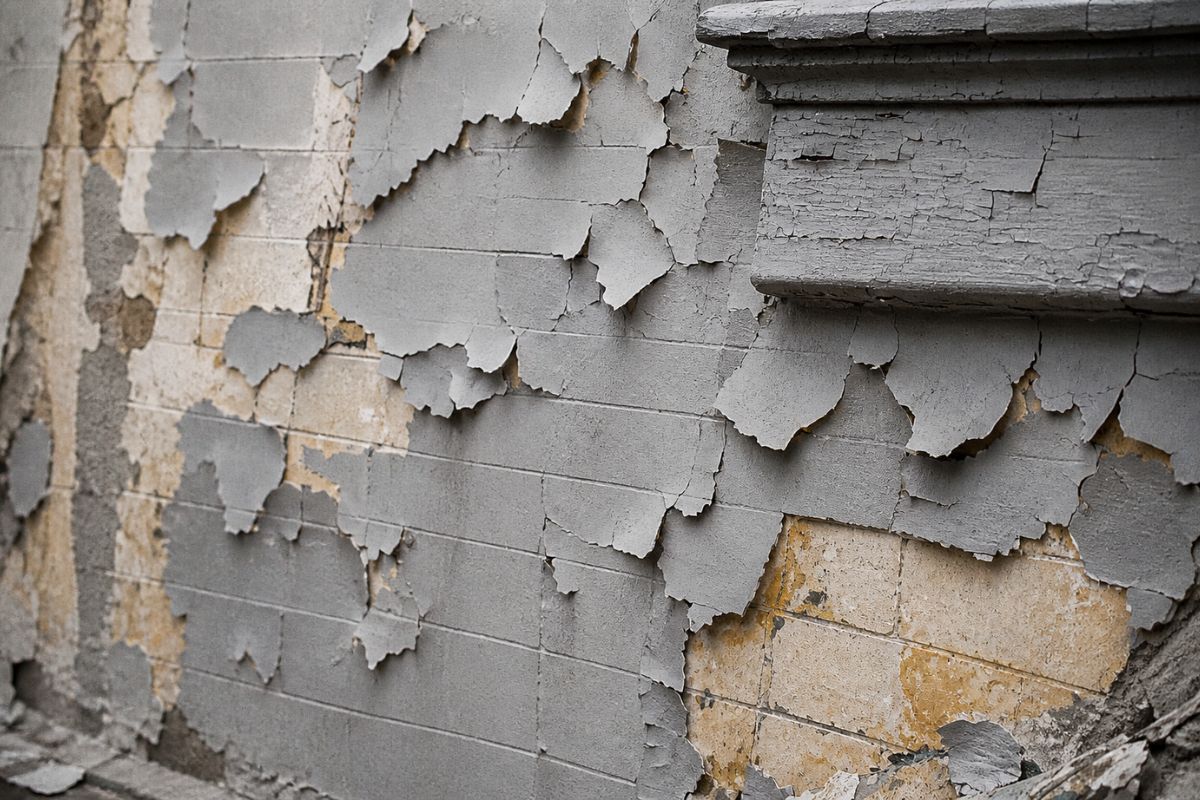
Some companies also coordinate environmental assessments, like mold or moisture issues.
Regular inspections reduce risk, support safety compliance, and help owners resolve issues before they escalate.
Pest Control Coordination
Pest control is often part of a broader maintenance plan. Maintenance providers either perform or coordinate inspections, treatments, and preventive sealing.
Addressing pest risks early protects both tenant comfort and property integrity.
Where SBR Goes Further: Maintenance + Full Licensed Restoration
Most maintenance companies fix what’s visible. Few also handle what happens when the problem becomes a disaster.
SBR does both.
24/7 Emergency Repairs & After-Hours Service
NYC buildings don’t sleep, and neither do the issues inside them. Our team responds to urgent calls for leaks, ceiling collapses, electrical hazards, plumbing failures, break-ins, sanitation issues, and other emergencies.
We mobilize fast, keep communication tight, and document everything for building management.
Fire, Water, Mold & Environmental Restoration
Maintenance and restoration intersect more often than most people realize. A slow leak becomes mold. A fire on one floor turns into smoke damage in the stairwells. A roof failure becomes a water migration issue three units down.
Because we’re licensed in mold testing, mold remediation, lead inspections, lead abatement, and full-service fire and water restoration, we can step in the moment a job moves from repair to restoration.
This continuity saves time, money, and paperwork for property managers – no juggling contractors, no delays, and no miscommunication.
Environmental Testing & Compliance
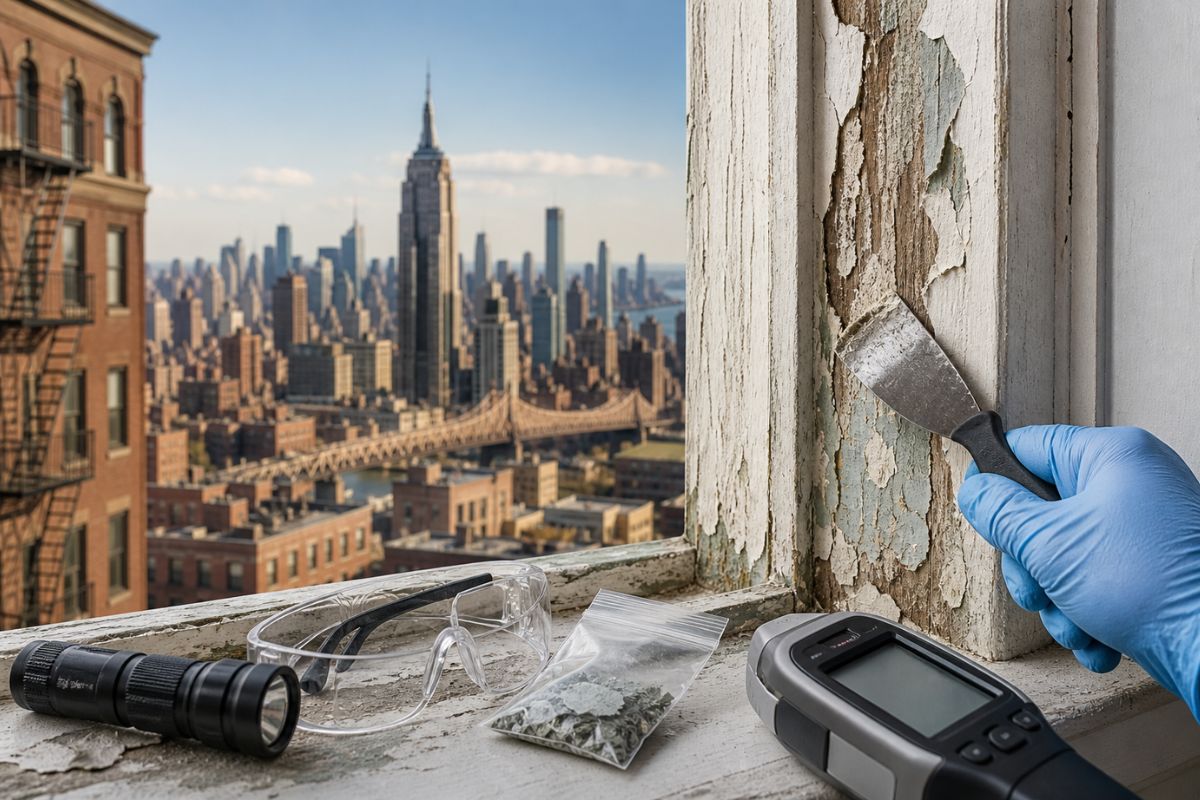
Our full environmental arm covers mold testing, lead testing, full lab reports, and compliance documentation for HPD, HUD, DOB, and REAC/NSPIRE.
This is especially valuable for:
Supportive housing
Affordable housing portfolios
Hotels
Pre-war residential buildings
Buildings undergoing inspections or violation disputes
When we maintain a property, we’re always watching for conditions that could evolve into environmental hazards.
Preventive Maintenance vs Reactive Maintenance
Preventive maintenance is scheduled, planned, and proactive. Reactive maintenance is the emergency response when something breaks.
In NYC, owners need both.
Preventive maintenance catches wear and tear early, from small leaks to failing valves, and reduces the number of surprises that lead to emergencies. It protects the building’s systems, stretches asset lifespan, and keeps properties inspection-ready.
Reactive maintenance is unavoidable – this city’s buildings are old, dense, and unpredictable. What matters is having a partner who responds fast and prevents the issue from spiraling.
What A Maintenance Visit Looks Like With SBR
Here’s the typical flow:
Step 1: Intake & Scheduling
Managers share the issue, send photos if needed, and we slot the job based on urgency. Our team communicates clearly about timelines so expectations are aligned.
Step 2: On-Site Assessment
Technicians arrive, complete safety protocols, assess the issue, and confirm the scope before starting. In occupied buildings, we work quietly and respectfully.
Step 3: Work Completion
Repairs or servicing are completed according to standardized checklists. Our teams follow safety and cleanliness procedures on every job.
Step 4: Documentation
Before-and-after photos are uploaded, along with a summary of work completed and recommendations.
Step 5: Follow-Up
For recurring issues or preventive suggestions, we reach back out to keep you in the loop.
How Often Should Properties Be Inspected?
This depends on the type of property, but here are common NYC patterns:
Multifamily Buildings: Monthly common-area checks, quarterly unit checks, seasonal servicing.
Supportive & Affordable Housing: Monthly walkthroughs, seasonal maintenance, safety checks aligned with REAC/NSPIRE.
Commercial Offices: Monthly to quarterly mechanical checks; weekly janitorial; annual safety servicing.
Retail Spaces: Frequent touchpoints due to traffic: monthly inspections, seasonal HVAC, fire safety cycles.
Hotels & Hospitality: Daily cleaning, weekly maintenance rounds, and constant mechanical monitoring.
The older the building, the more frequent the checks.
How to Choose the Right Property Maintenance Partner in NYC?
It comes down to:
Licensing & certifications
Full-service capability
24/7 emergency coverage
Compliance expertise
MWBE status
Experience across all five boroughs
Transparency and communication
Frequently Asked Questions
Do property maintenance companies work with properties that already have an in-house super?
Yes. Many companies supplement supers by handling larger repairs, preventive maintenance schedules, specialty work, or overflow tasks when the building workload spikes.
Is a long-term maintenance contract required, or can services be on-demand?
Both options exist. Some owners prefer recurring programs, while others use maintenance companies only for repairs or seasonal work. Most providers offer flexible engagement models.
Do maintenance companies handle small jobs, or only bigger repairs?
They handle both. A good provider treats minor fixes like loose hardware or patch repairs with the same urgency as larger system issues because small problems often prevent bigger ones.
What types of properties benefit most from hiring a maintenance company?
Multifamily buildings, commercial offices, retail spaces, mixed-use properties, and older buildings see major benefits. High-traffic and aging properties especially need consistent upkeep to stay safe and functional.
Need A Fully Certified, Always-On Partner?
Get support backed by licensing, compliance & true full-service coverage.
Conclusion
A good property maintenance company keeps the building functional day to day, protects critical systems, prevents issues from escalating, and supports owners with the kind of routine care most tenants never notice unless it’s missing.
That includes everything from small repairs to safety checks, exterior upkeep, scheduled servicing, and the occasional late-night fix when something goes off-script.
If you’re looking for a partner who can keep your property running smoothly with reliable repairs, clear communication, and preventive planning, get a free quote today.