Lead paint inspections in NYC come with a lot of moving parts, and the costs can feel surprisingly hard to pin down.
Older buildings, stricter rules, different testing methods – everything plays a role, and the final number isn’t always obvious at first glance.
The good news is that there is a clear structure behind how pricing works. We’ll break it down step by step, so you can understand what drives lead paint inspection cost in NYC and what to expect.
Key Notes
Lead paint inspection cost in NYC typically ranges from $400–$740 for standard residential units.
XRF testing is required for compliance and is the main driver of total inspection cost.
Property type, size, accessibility, and reporting requirements significantly impact final pricing.
Lead Paint Inspection Cost in NYC (2026)
For standard residential properties, expect:
$400 to $740 for a full XRF-based inspection
Larger buildings: $700 to $1,500+
Commercial properties: $1,000+ due to footprint and complexity
Cost by Inspection Type
Visual inspection: $150–$400
Paint chip sampling: $200–$600
XRF testing (gold standard): $250–$700
Full lead risk assessment: $500–$1,500
Dust or soil samples: $25–$200 each
A proper Local Law 31 inspection always includes XRF. Visual-only checks are not compliant.
What Drives Cost?
Square footage and number of rooms
Number of units tested
Accessibility (tight basements raise time and labor)
Building age
Number of surface components
Rush scheduling or after-hours work
Complexity of required HPD documentation
Older buildings and high-rise properties see higher ranges because inspectors spend more time navigating layouts, documenting surfaces, and accessing confined areas.
Pricing by Property Type
Apartments (Per-Unit Pricing)
Smaller scopes mean smaller invoices:
$200–$400 per unit
Ideal for owners with scattered units or smaller buildings.
Full Residential Buildings
For a building-wide XRF sweep:
$700–$1,500+ depending on size
Includes common areas, lobbies, hallways, stairwells
Economies of scale often kick in here. It’s usually cheaper to test the entire building at once rather than unit-by-unit over time.
Commercial Spaces
Commercial spaces are more complex and often more expensive:
Starts around $1,000
Ceiling heights, surface variety, and atypical layouts increase the number of readings required.
How NYC Inspectors Price the Work
Not all pricing models are the same. Here’s how most firms structure quotes:
Per Sample: Laboratory-based paint chip or dust samples cost $20–$100 each.
Per Room or Unit: XRF testing typically runs $150–$400 per room or unit.
Flat Rate: Common for full buildings or single-family homes – $500–$1,500 flat.
Hourly Rates: Certified inspectors charge $50–$100 per hour for complex setups or multi-visit jobs.
The pricing method often depends on property type and how much documentation is expected afterward.
What Does A Lead Paint Inspection Include?
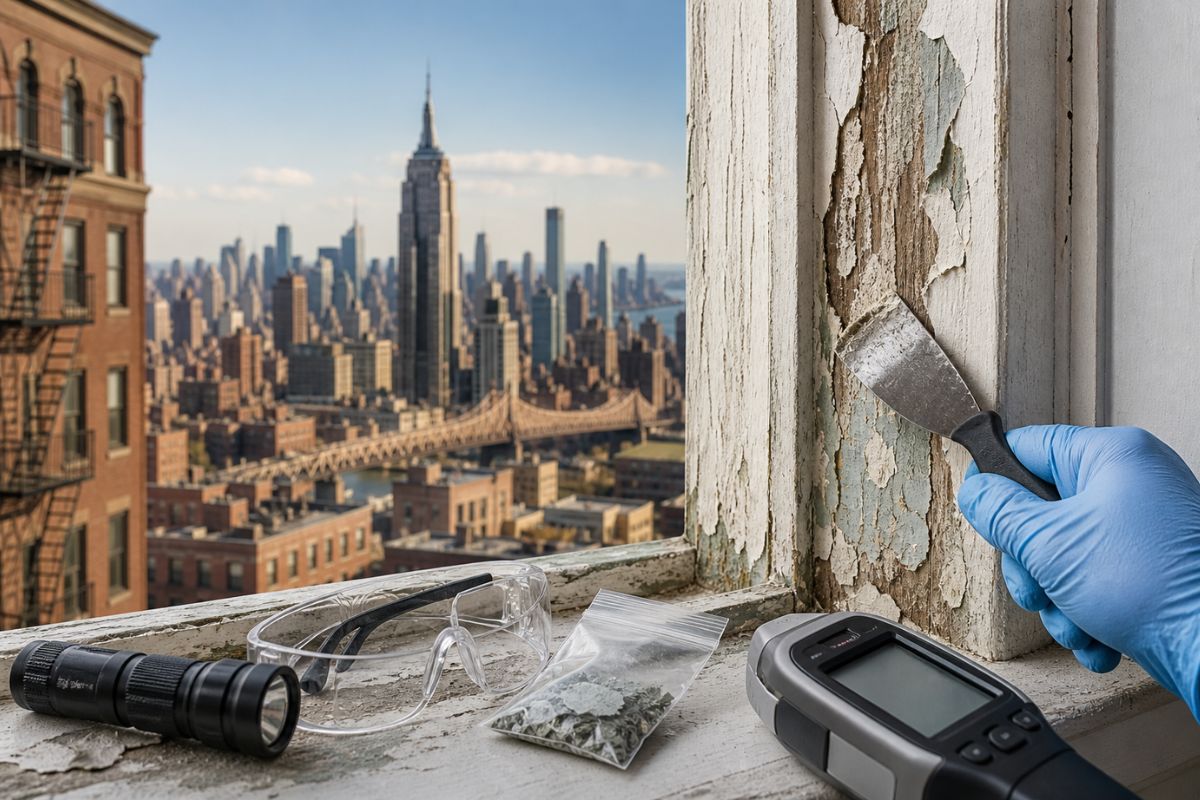
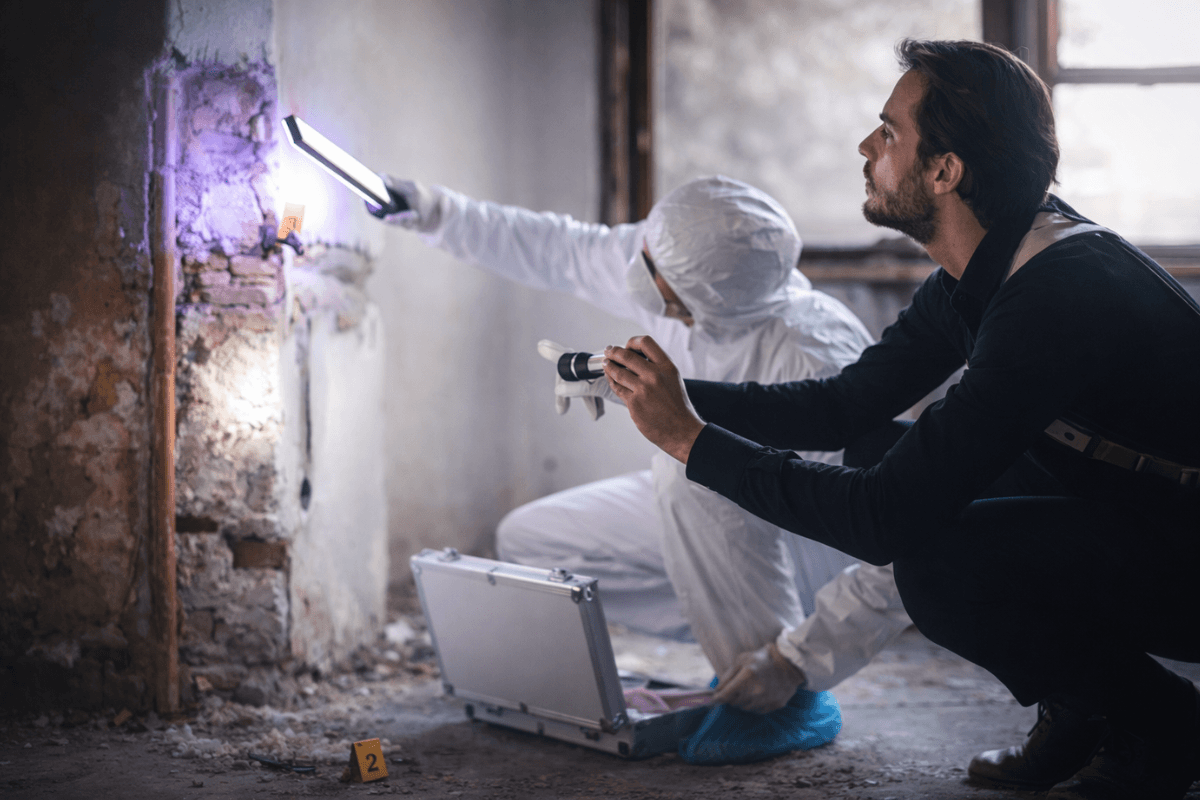
A proper lead paint inspection isn’t a quick walk-through. It’s a surface-by-surface investigation using X-ray fluorescence analyzers to confirm exactly where lead exists.
What’s Tested:
Walls, ceilings, doors, trim
Window sashes, frames, and radiators (common hotspots)
Kitchens and bathrooms where humidity accelerates deterioration
Interior and exterior painted components
Common areas: hallways, stairwells, lobbies, community rooms
Public-facing spaces in mixed-use buildings
What’s Not Automatically Included?
Some owners assume these are bundled, but they’re usually add-ons:
Lab-analyzed paint chip sampling
Dust wipe or soil testing
Water testing
Clearance inspections after remediation
HPD documentation prep and filing
Hidden Fees To Plan For
Here are common add-ons:
Lab testing fees: $30–$100 per sample
Travel surcharges: $25–$100
Extra rooms or units: $30–$100 each
Expedited reports: $25–$75
Evening or weekend testing: $50–$150
Administrative fees for filing: $25–$75
Clearance testing post-abatement: $150–$400
Most of these are avoidable if you schedule during regular hours and confirm the full scope beforehand.
Clearance Inspection Costs After Abatement
Clearance inspections confirm that a unit or common area is safe to reoccupy.
What’s Included?
Dust wipe sampling
Lab analysis
Clearance report for HPD or DOB
Cost Range:
$150–$400 depending on unit size and number of samples. Clearance tests are often faster and cheaper than initial inspections but still critical for compliance.
NYC vs Long Island vs New Jersey Pricing
NYC
$400–$740 average
More complex regulations
Older building stock
Higher labor rates
Long Island
$275–$600
Slightly newer homes, fewer multi-family layouts
New Jersey
$300–$600 depending on county
NYC almost always comes in at the higher end due to regulation density and demand.
Lead Paint Inspection Cost Saving Tips
Lead paint testing can get expensive across a portfolio, but these steps help keep numbers down:
Bundle inspections for multiple units at once
Prep units so components are accessible
Avoid weekend or late-evening appointments
Ask for a full-building flat rate
Combine XRF with dust wipe testing in one visit
Schedule vacant units together to avoid re-entry fees
Good planning usually saves more than any “discount” a vendor might offer.
How to Choose an Inspection Company?
NYC has plenty of vendors. Not all of them understand HPD requirements or the paperwork involved.
What to Look For:
EPA certification
Experience with Local Law 31, 111, and 122
Insurance and MWBE status
Knowledge of HPD processes
Clear reporting format and turnaround times
Ability to handle multi-unit buildings without disruption
The right company gives you clean data, fast turnaround, and reports you can use during an audit.
Frequently Asked Questions
Is lead paint inspection required if a unit was recently renovated?
Not automatically. Even newly renovated units in pre-1960 buildings must undergo XRF testing unless you have documented proof of prior compliant testing. Cosmetic renovations don’t exempt you from Local Law 31 requirements.
Can tenants refuse access for lead paint inspections?
Tenants can delay access, but they can’t legally block a required inspection. HPD expects owners to document multiple access attempts. Lack of access doesn’t remove the owner's responsibility to comply by the deadline.
How long do I need to keep lead inspection records?
NYC requires owners to maintain testing and remediation documentation for at least 10 years, but many property managers keep them indefinitely because HPD can ask for historical records during audits.
What happens if XRF results are borderline or inconclusive?
Borderline readings often require paint chip sampling for laboratory confirmation. It’s a small additional cost, but it prevents HPD disputes and ensures you have defensible data if the unit is ever audited.
Want Clear Pricing Before You Commit?
Get a tailored inspection quote based on your property’s conditions.
Conclusion
Lead paint inspection cost in NYC comes down to two things: the method used to test (XRF versus sampling) and how many surfaces and spaces an inspector has to document.
Apartments usually fall into the lower ranges ($200+), full buildings and common areas fall higher ($700+), and commercial spaces sit at the top ($1,000+) because of size and complexity. Add-ons like lab fees, clearance testing, and after-hours appointments can shift the bill if you’re not planning for them.
If you need a certified inspection with clear pricing, we can assess your property, outline the exact requirements, and give you a compliant quote without the usual surprises. Get a free quote now!