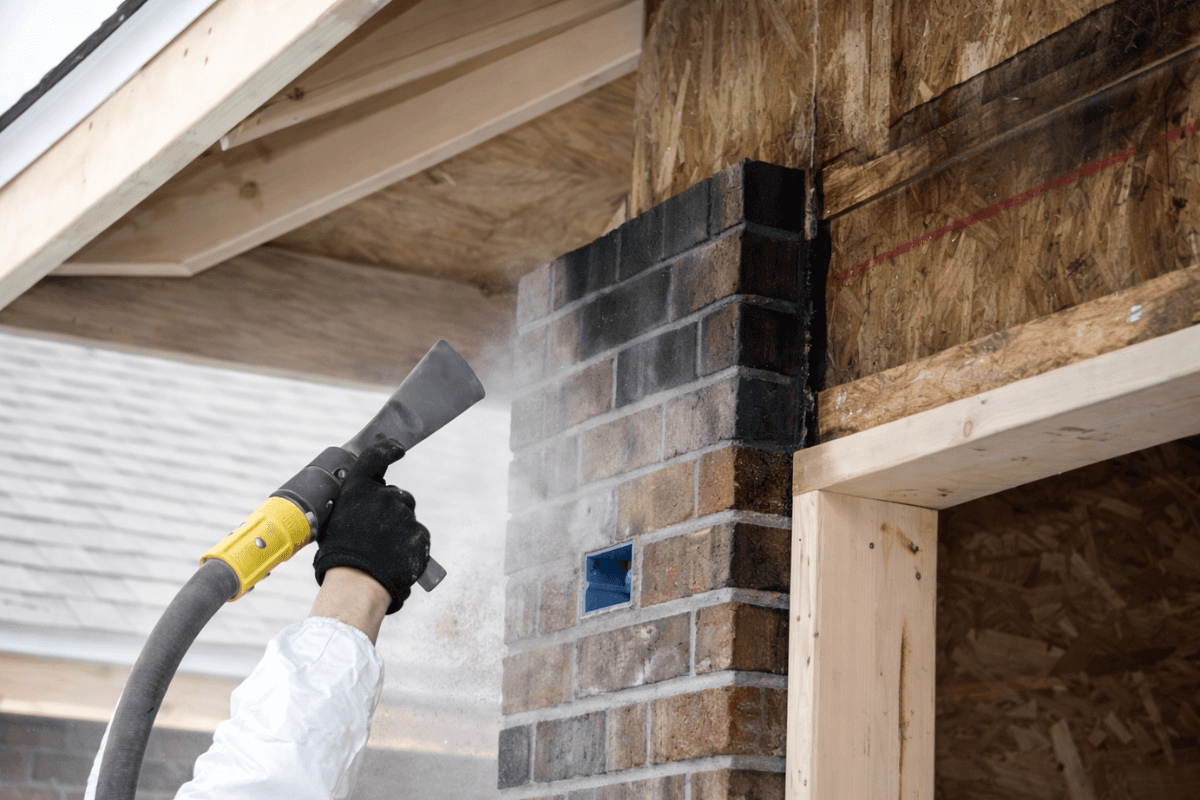
Smoke spreads fast, hides everywhere, and turns a simple-looking situation into a bigger project once you start opening doors, vents, or ceilings.
Getting a realistic cost means understanding the type of smoke, the building, and the work it takes to get the place back to normal.
We’ll walk you through realistic NYC smoke cleanup costs and the key drivers behind them.
Key Notes
NYC smoke cleanup costs range widely based on property type, size, and smoke severity.
Different smoke types change cleanup difficulty and drive large swings in pricing.
Add-on services include HVAC cleaning, water/mold issues, and odor removal.
Cost by Type of Smoke Damage
Different smoke types produce different cleanup timelines and techniques:
Dry Smoke
Dry smoke from paper or wood fires is the easiest to handle because it doesn’t cling as aggressively. It’s powdery and typically costs $400 to $700 for soot cleanup.
Wet Smoke
Wet smoke from plastic, rubber, or synthetics produces a sticky film that smears when touched.
It takes more chemical cleaning, more agitation, and often more deodorizing.
Protein Residue
Protein smoke from kitchen fires is notorious. It leaves a strong lingering odor that hides in drywall, fabrics, and vents, often requiring thermal fogging or ozone treatment.
Oily/Fuel Soot
Smears, stains, and needs targeted solvents. Costs rise fast when oily soot has drifted into HVAC systems or porous materials.
Cleanup typically starts at $1,000+.
Cost by Property Type
NYC property types tell their own stories. A small apartment has a very different scope than a multi-floor commercial space.
Small Apartment (500–1,000 sq ft)
Typical cleanup costs land between $1,000 and $3,000. Light soot removal, some basic odor control, and small-scale duct cleaning usually cover it.
Medium Residential Home (1,500–2,500 sq ft)
Expect $6,000 to $12,000, especially if HVAC components or multiple rooms were affected. Protein smoke or wet smoke can push the upper end.
Large Residential Home (3,000+ sq ft)
These projects can climb to $15,000 to $25,000+. Larger square footage means more materials to clean or replace, and more equipment needed to scrub the air.
Small Commercial Space (1,000–3,000 sq ft)
Commercial smoke damage cleanup typically starts around $7,000 and frequently hits $15,000+ due to higher ceilings, ductwork, and equipment.
Large Commercial Properties (10,000+ sq ft)
Large commercial restoration is a different category entirely. Costs range from $20,000 to $100,000+ depending on how deeply the smoke infiltrated mechanical systems, inventory, and ventilation.
Add-On Services That Increase Cost
These services aren’t optional when smoke has settled deeply into a building.
Odor Removal Treatments
Even after cleaning, smoke odor can linger. Ozone treatments often cost $200 to $800 per floor, and thermal fogging typically runs $200 to $600.
Severe fires can push deodorizing costs into several thousand dollars.
HVAC and Duct Cleaning
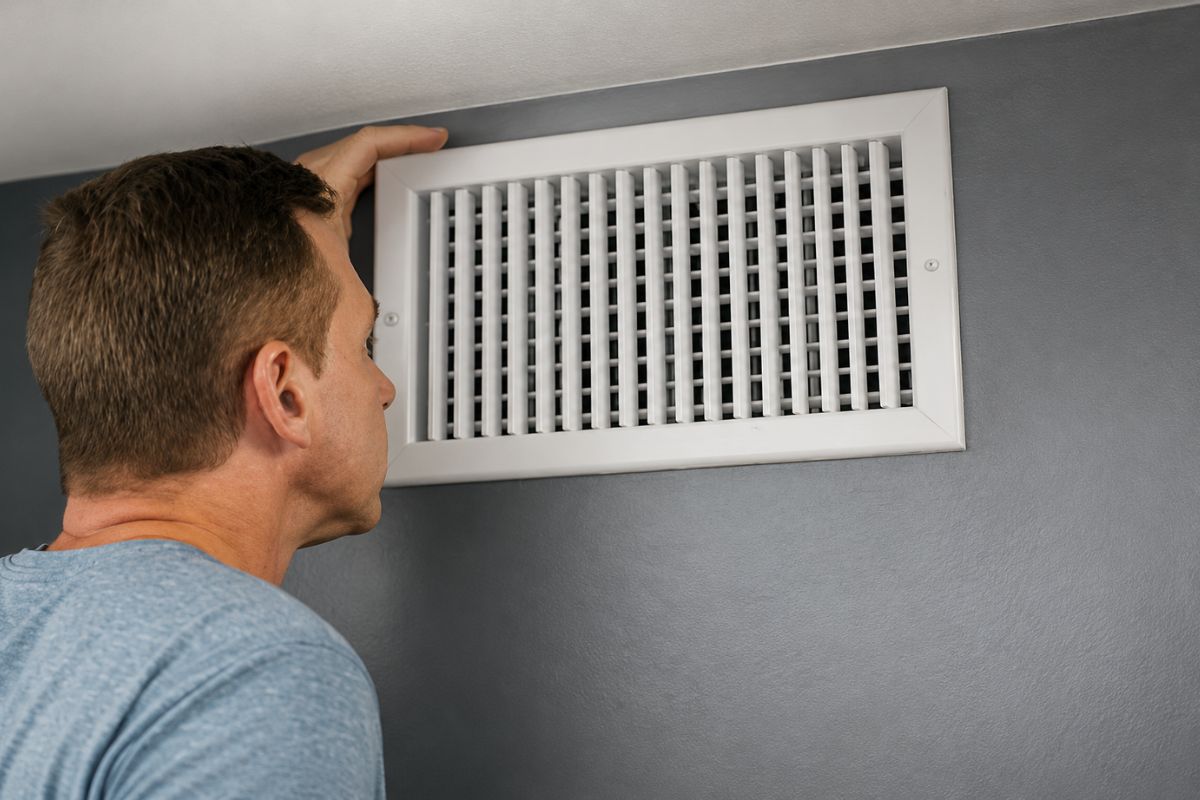
Smoke loves ductwork. A full HVAC clean runs $300 to $600, depending on system size and contamination. Larger or commercial systems go higher.
Disposal of Burnt Materials
If cabinets, drywall, furniture, or carpets are unsalvageable, expect additional costs. Disposal usually starts around $300 to $1,600, or $60 per pound when dealing with heavy debris.
Chemical Residue Cleanup
If fire extinguishers or chemicals were involved, cleanup can add $600 to $2,000.
Water or Mold Issues from Firefighting
Water used to put out the fire can create secondary issues. Water or mold remediation ranges from $2,000 to $10,000 depending on severity.
How the Smoke Cleanup Process Works
Smoke cleanup isn’t a single service – it’s a sequence. Each stage is necessary to prevent long-term damage.
Emergency Mitigation (First 24–48 Hours)
This window matters. Crews board up openings, set up negative air machines, and seal off unaffected areas. Air scrubbers run early to prevent further spread.
Assessment and Testing
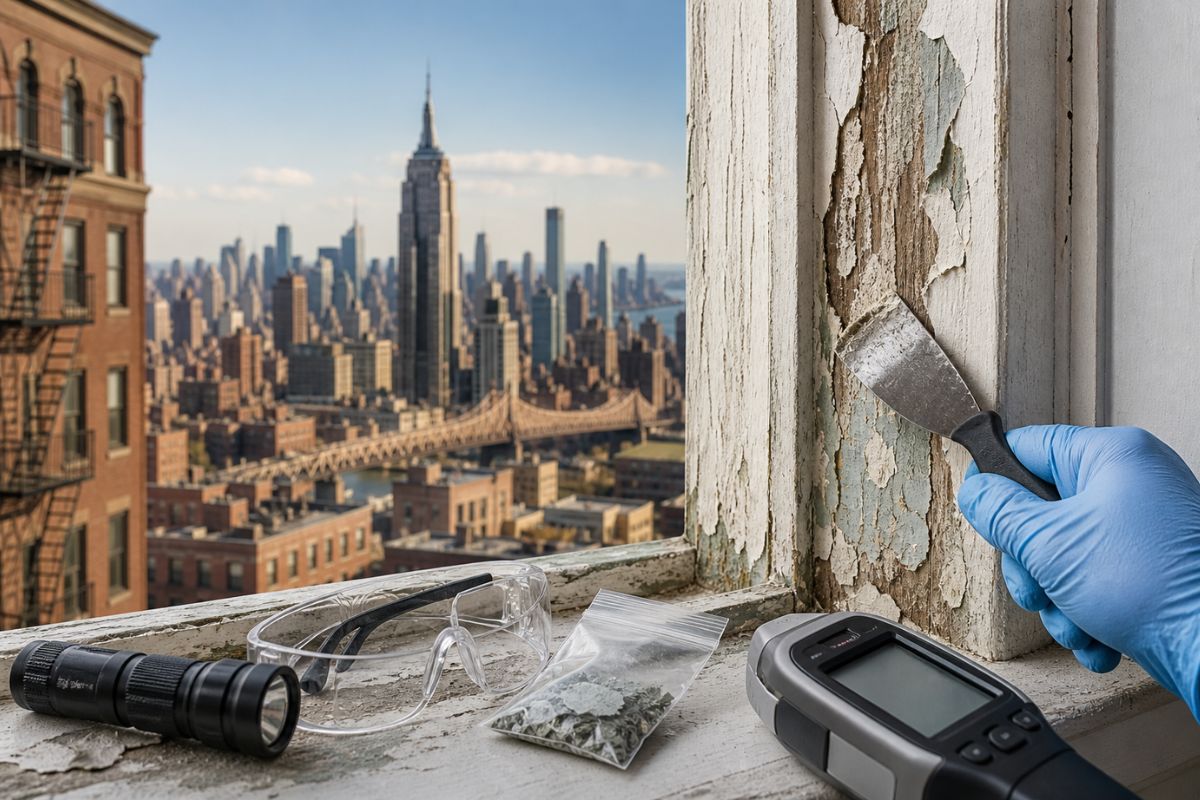
Professionals document soot levels, check ventilation paths, inspect for moisture, and evaluate HVAC contamination. This stage also includes taking photos and notes for insurance.
Deep Cleaning and Soot Removal
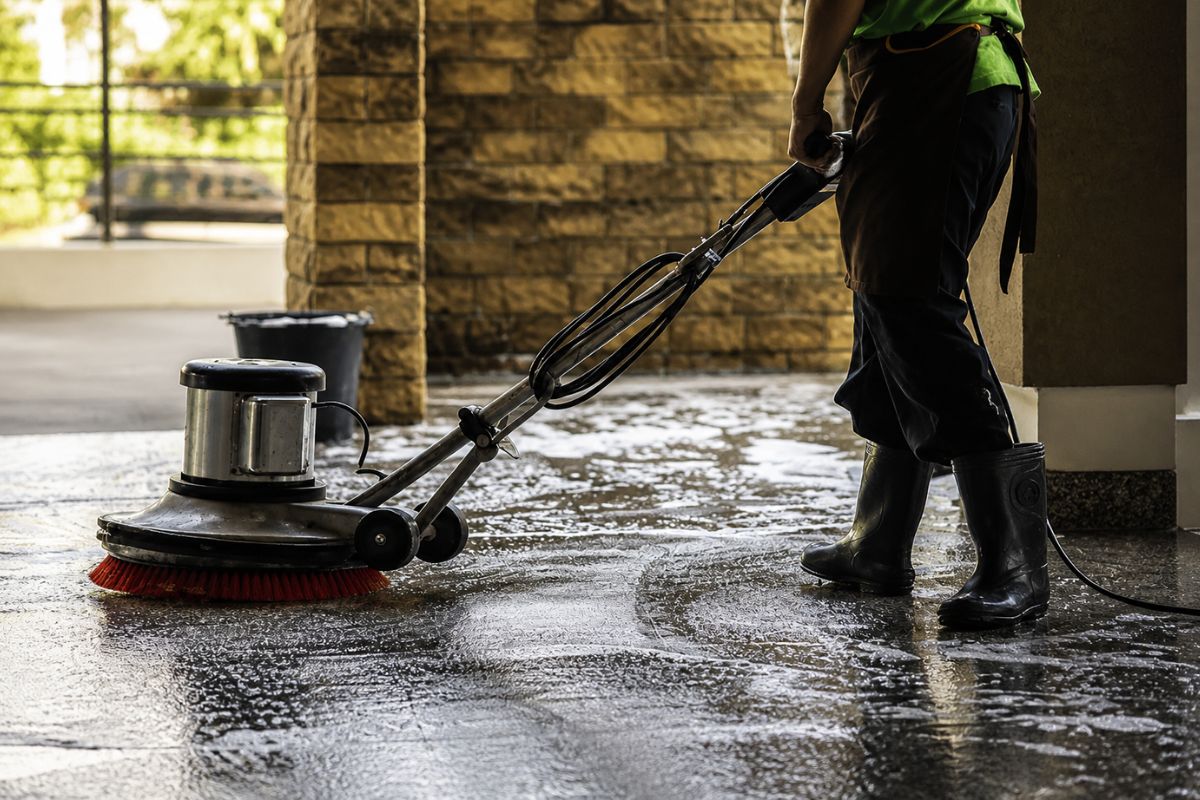
HEPA vacuums, dry sponges, chemical cleaners, and degreasers all come into play depending on the type of smoke. Walls, ceilings, and flooring get detailed treatment.
Odor Neutralization
Once surfaces are clean, deodorizing begins. Ozone, thermal fogging, and sealants help eliminate stubborn smells.
Repairs and Restoration
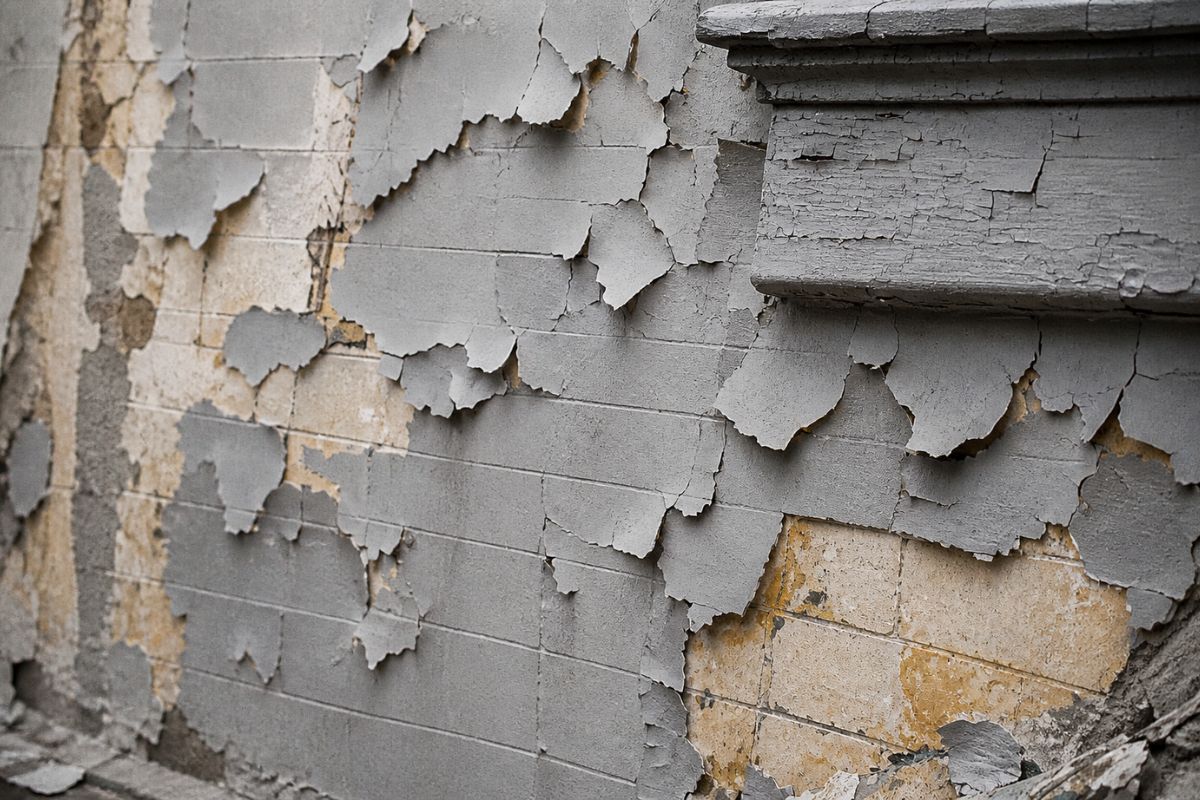
Smoke cleanup is often followed by painting, drywall replacement, insulation removal, and in some cases structural repairs.
Insurance: What’s Covered & What You Need to Document
Most homeowners’ and commercial policies cover smoke damage cleanup because smoke is considered a covered peril. That includes cleaning, deodorizing, HVAC restoration, and structural repairs.
Documentation matters. Insurers want:
Photos and videos
Fire department reports
Lists of damaged items
Contractor reports and testing results
The more thorough the documentation, the smoother the claims process.
How to Keep Costs Down Without Cutting Corners
Act fast. The longer smoke sits, the harder it is to remove. Early air movement, prompt containment, and quick deodorization can keep a project from spiraling.
Prevent cross-contamination by keeping doors closed and avoiding unnecessary movement through affected areas.
And always bring in licensed contractors – unlicensed work can create insurance problems and code violations.
Frequently Asked Questions
Can smoke damage be cleaned without replacing walls or ceilings?
Often, yes. If soot hasn't penetrated past the surface, chemical sponges, HEPA vacuums, and sealants are enough. Replacement becomes necessary when smoke saturates insulation or the drywall has absorbed heavy protein or wet smoke.
How long does smoke odor linger if the space isn’t treated quickly?
Odor can stick around for weeks or months. Protein and oily smoke can permanently embed into drywall and fabrics, making it harder and more expensive to remove the longer it sits.
Do NYC landlords have to cover smoke damage cleanup?
It depends on the cause. Damage from building-related fires usually falls to the owner or their insurance. Tenant-caused fires may shift responsibility, but cleanup must still follow NYC environmental and safety rules regardless of who pays.
Can smoke damage affect indoor air quality long-term?
Yes. Fine soot particles and VOCs can circulate through ductwork and linger in porous materials. Untreated smoke damage can trigger headaches, respiratory irritation, and ongoing odor issues until the source is fully removed and the air system cleaned.
Need An Accurate Smoke Cleanup Quote?
Fast 24/7 response with full cleanup and compliance
Conclusion
Smoke damage cleanup costs in NYC range widely because every building, every fire, and every type of smoke creates a different workload.
But the general pattern holds: residential cleanup usually ranges from a few thousand to the low five figures, and commercial properties scale up quickly with square footage and mechanical complexity.
Need a clear cost for your situation? Reach out for an accurate smoke cleanup quote.