Restoration in NYC comes with its own rhythm: fast-moving issues, older buildings with surprises behind every wall, and a city full of rules that don’t pause just because something broke.
Even small problems can turn complicated once water, smoke, or mold gets involved.
We’ll lay out how restoration works in NYC – what happens first, what matters most, and what to expect from licensed teams who know NYC buildings inside and out.
Key Notes
Restoration follows clear phases: mitigation, remediation, and reconstruction with strict NYC documentation.
Common NYC hazards include water, smoke, mold, lead, structural impacts, and biohazards.
Restoration requires compliance with DOB, HPD, FDNY, LPC, DEP, and insurance standards.
Restoration 101: What Restoration Actually Is
Restoration sits in the middle ground between construction and emergency response.
The goal is simple – make a damaged building safe, dry, clean, and occupiable with documentation that satisfies NYC agencies and insurers.
We talk about restoration in three phases:
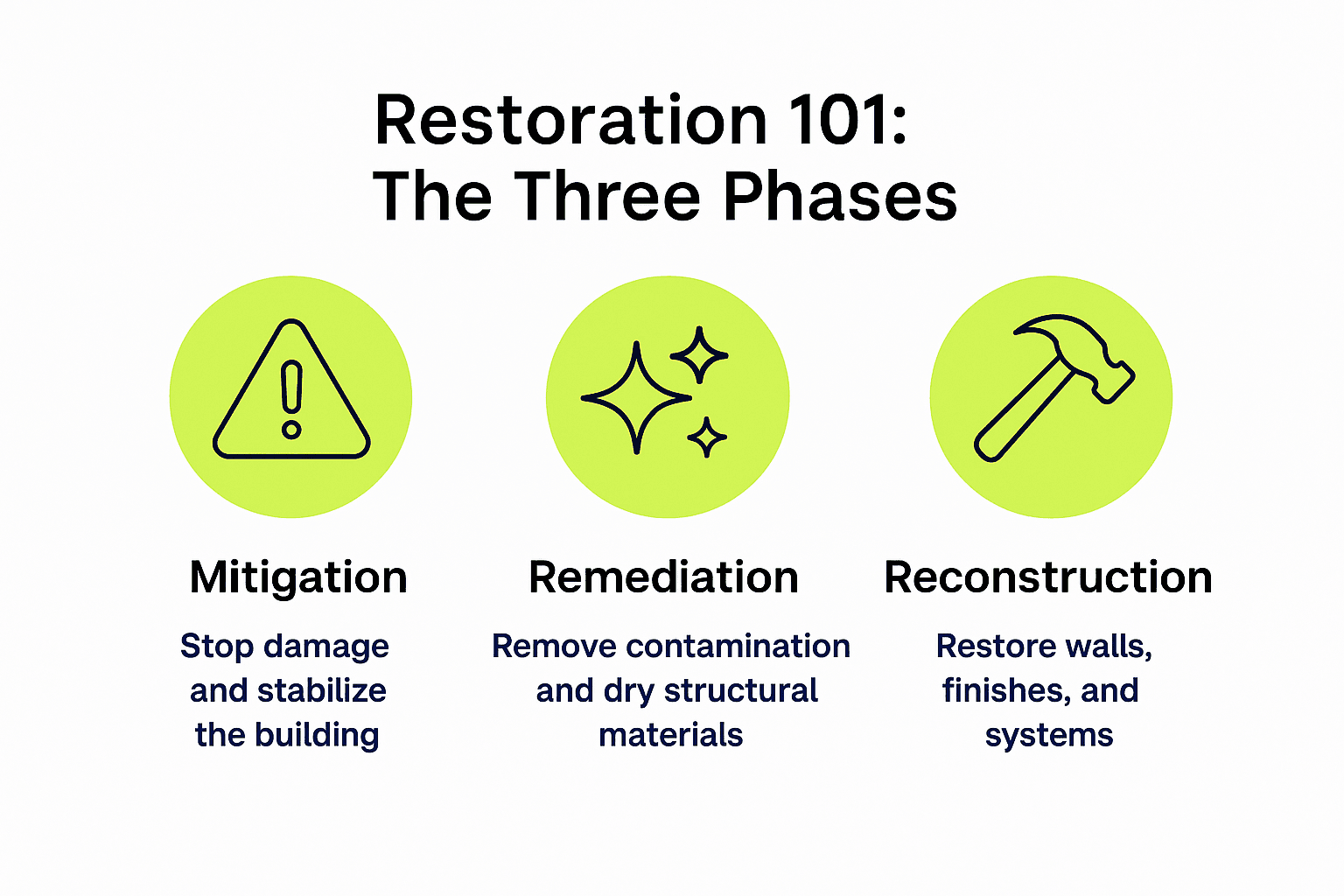
Mitigation
Quick, decisive actions that prevent the situation from getting worse.
Think water extraction, roof tarps, board-ups, shutting valves, isolating electrical circuits, and stabilizing unsafe areas.
Remediation
Focused work that removes contamination and returns the building to a healthy baseline.
That includes structural drying, mold removal, smoke/soot cleanup, odor control, and disinfecting.
Reconstruction
The put-back process: drywall, insulation, flooring, paint, electrical, and plumbing repairs. This phase returns the property to pre-loss condition (or better, if the owner upgrades).
What “Good Restoration” Means In NYC:
Hazards removed or controlled
Moisture reduced to measurable, verifiable targets
Air quality that doesn’t leave tenants complaining
Clean documentation for DOB, HPD, insurers, and resale records
When To Call a Restoration Company?
If there’s a safety risk, unknown damage, or something spreading, call.
NYC buildings hide problems behind plaster, risers, and old construction – waiting usually makes things worse.
Situations that warrant a professional:
Water running down walls or across floors
Sagging or stained ceilings
Persistent smoke odor hours after a fire
Sewage backups
Water anywhere near electrical systems
What To Have Ready For Dispatch:
What happened
Whether the source is stopped
Where the damage is and how many floors
Floor and ceiling materials
Any vulnerable tenants or sensitive equipment
This information helps send a properly equipped crew instead of someone showing up with the wrong tools.
Core Restoration Services in NYC
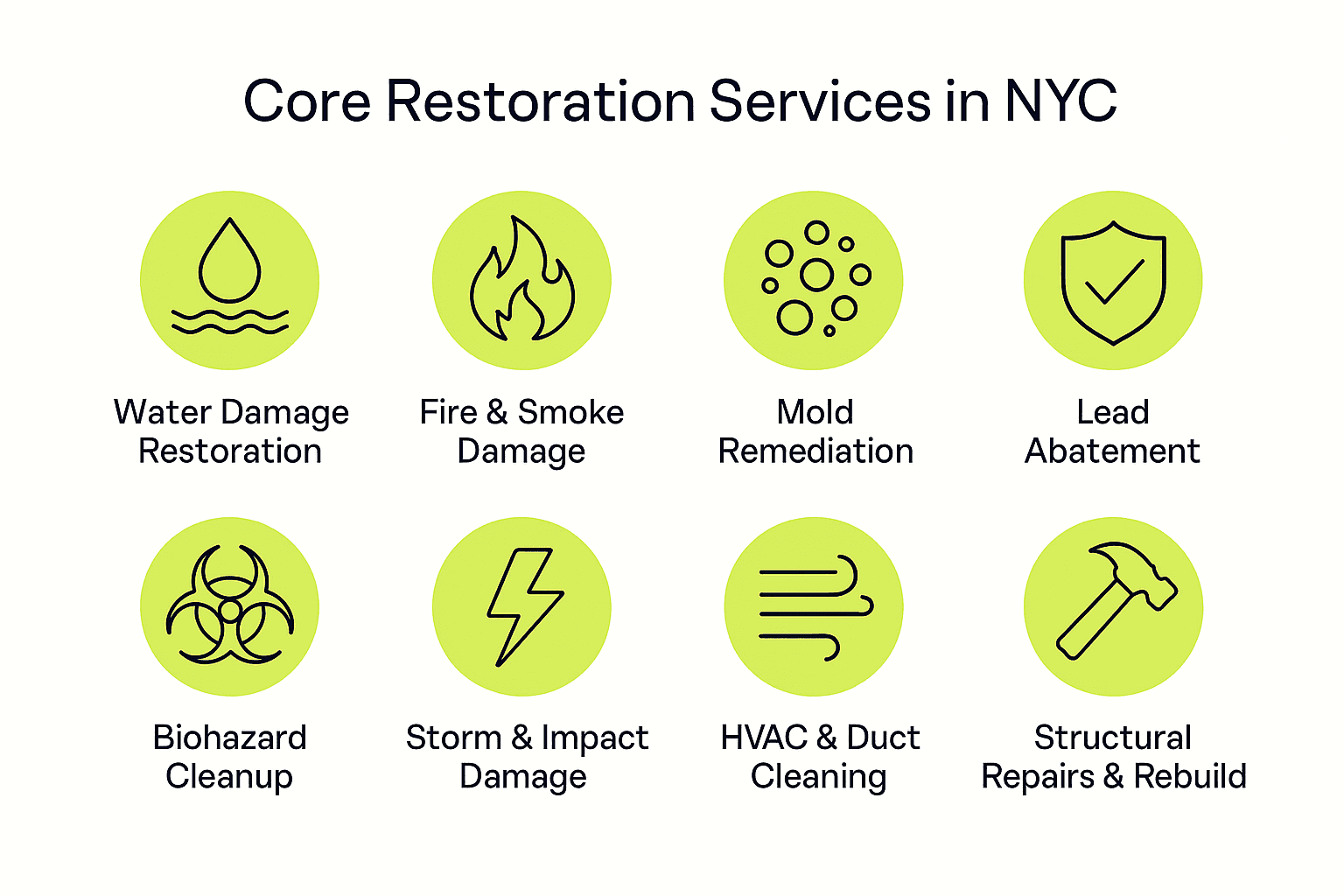
Water Damage Restoration
Water moves fast in NYC buildings, especially through shared walls and old construction. The goal is to stop the source, remove standing water, dry the structure, and prevent mold.
What To Expect:
Safety & Inspection: Electrical checks, ceiling stability, thermal scans, moisture mapping.
Extraction: Remove standing water, float carpets if needed, pull soaked padding.
Selective Demo: Cut damaged drywall, remove wet insulation, discard anything touched by sewage.
Drying: Dehumidifiers + air movers run continuously; crews visit daily to track moisture.
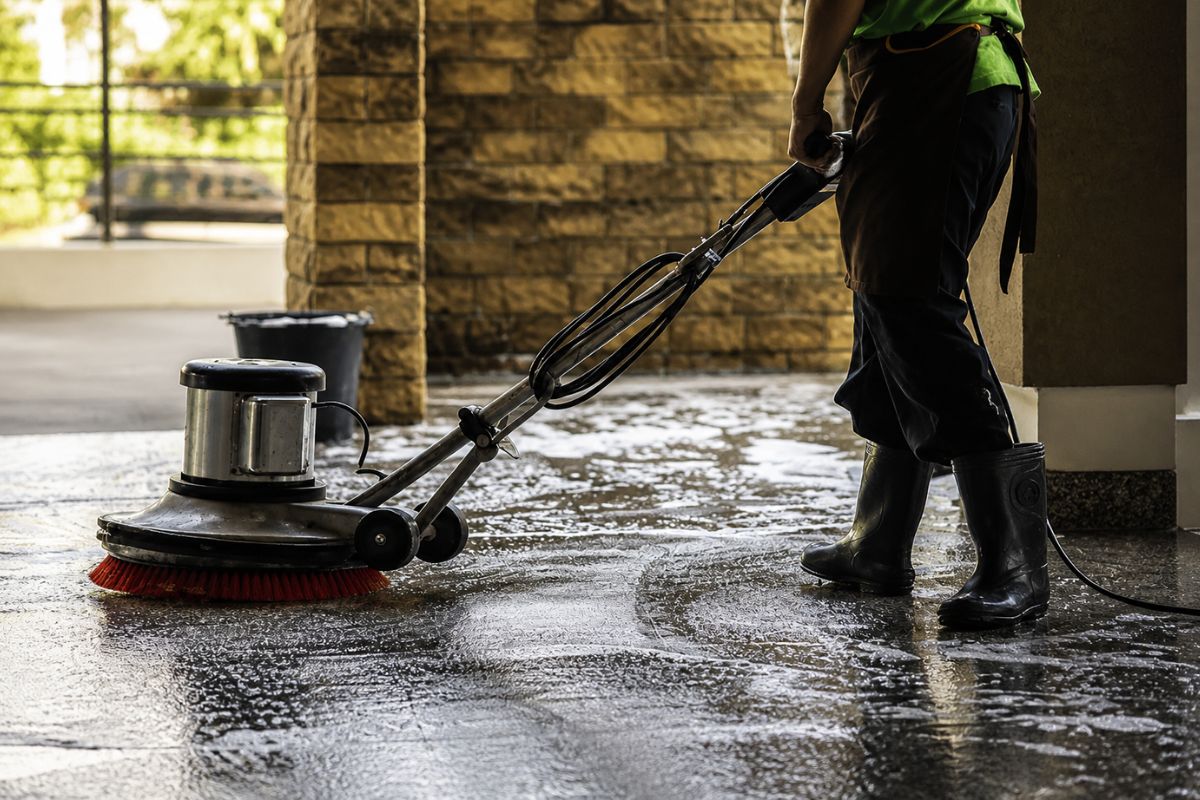
Cleaning: HEPA vacuuming, antimicrobial treatment, odor control.
Contents: Items blocked and dried or packed out.
Rebuild: Once readings hit target moisture, repairs begin.
Dry fast, document everything, and don’t guess at “dry enough.”
Fire & Smoke Damage Restoration
NYC fire losses almost always involve three things: smoke, soot, and the water used to put the fire out.
What Matters Most:
Stabilization: Board-ups, roof tarps, securing unsafe areas.
Water Removal: Firefighting water is a second disaster if not extracted quickly.
Damage Mapping: Identify direct burn damage vs. soot travel vs. water spread.
Soot Cleanup: HEPA vacuuming, dry sponges, detergents, specialty cleaners.
Odor Control: HEPA + carbon filtration, deodorizing treatments, sealing materials.
HVAC Cleaning: Prevent soot from re-entering occupied areas.
Contents: Inventory, salvage vs. disposal, off-site cleaning.
Rebuild: Structural and cosmetic repairs, often unit-by-unit in multifamily buildings.
Mold Assessment & Remediation
Mold shows up fast in NYC – older buildings, hidden leaks, damp basements, and humid interiors.
What Owners Should Watch For:
Musty odors
Visible spots or patches
Bubbling paint or staining
Condensation on windows or walls
Tenant allergy flare-ups
NYC Rules You Must Know:
Mold assessment and remediation are separate licensed roles.
Landlords must address leaks and mold quickly.
Clearance testing confirms the job was actually successful.
Lead Testing & Abatement
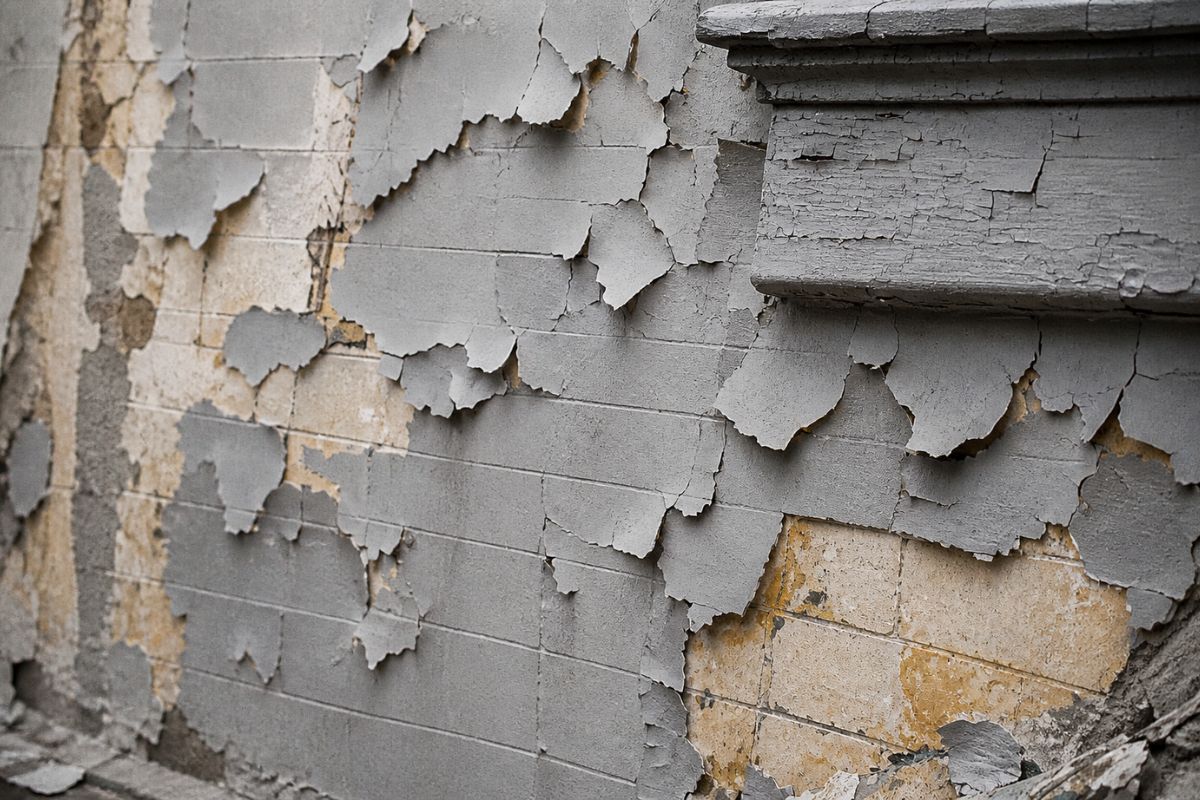
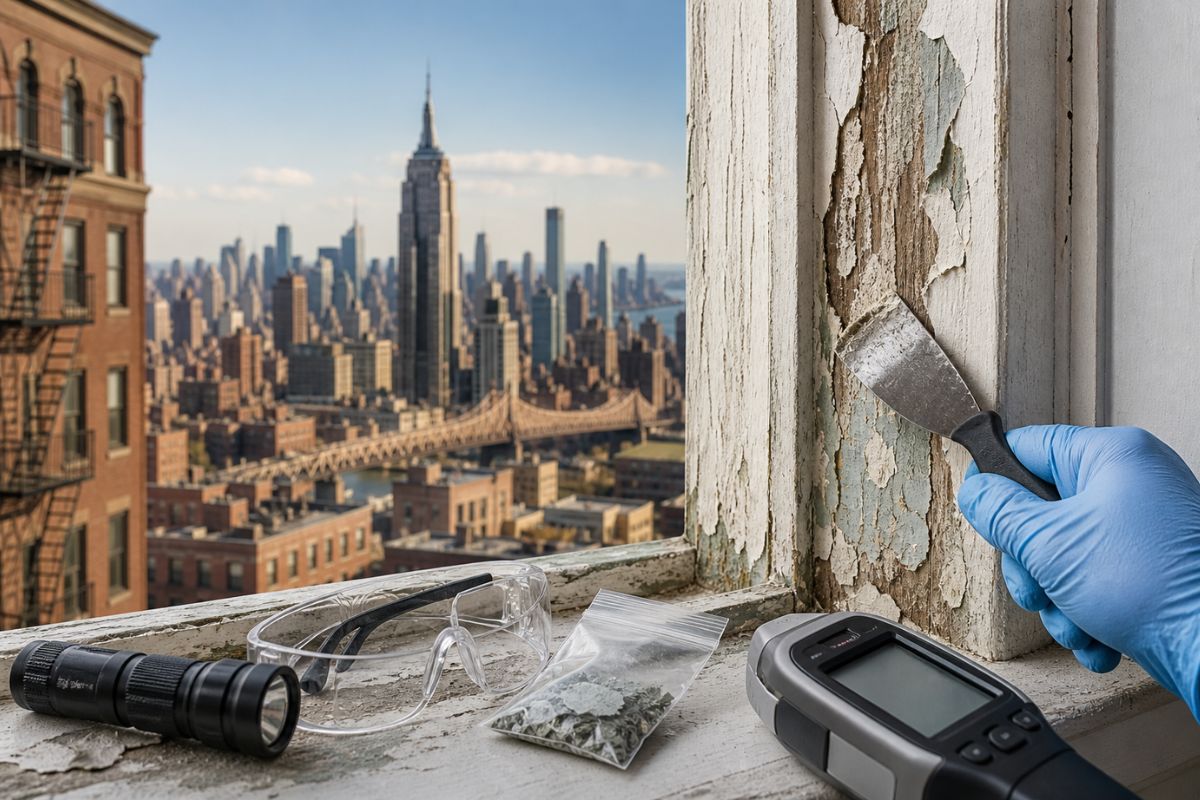
Lead becomes part of restoration whenever paint is disturbed in older buildings (pre-1960), rentals, or childcare spaces.
Required When:
Walls, trim, or doors are opened, sanded, or replaced.
Restoration occurs in buildings subject to Local Law 31.
Must Follow:
EPA RRP safe work practices
NYC Local Law 31 documentation
DOB permitting when tied to larger restoration
Lead is paperwork-heavy – compliance matters as much as the work.
Biohazard & Trauma Cleanup
These are sensitive, high-risk jobs requiring certified teams and regulated disposal.
Expect:
OSHA-level PPE
Full decontamination of all affected surfaces
Proper medical waste disposal
Quiet, discreet handling
Storm, Wind & Impact Damage
NYC buildings deal with falling debris, wind-driven rain, and compromised roofs.
Common Tasks:
Temporary power
Roof tarps
Board-ups
Shoring unstable areas
Water intrusion inspection
Stabilize immediately. Then follow with structured repairs.
HVAC & Duct Cleaning (Post-Loss)
Needed when smoke or water has entered the mechanical system.
Triggers For Cleaning:
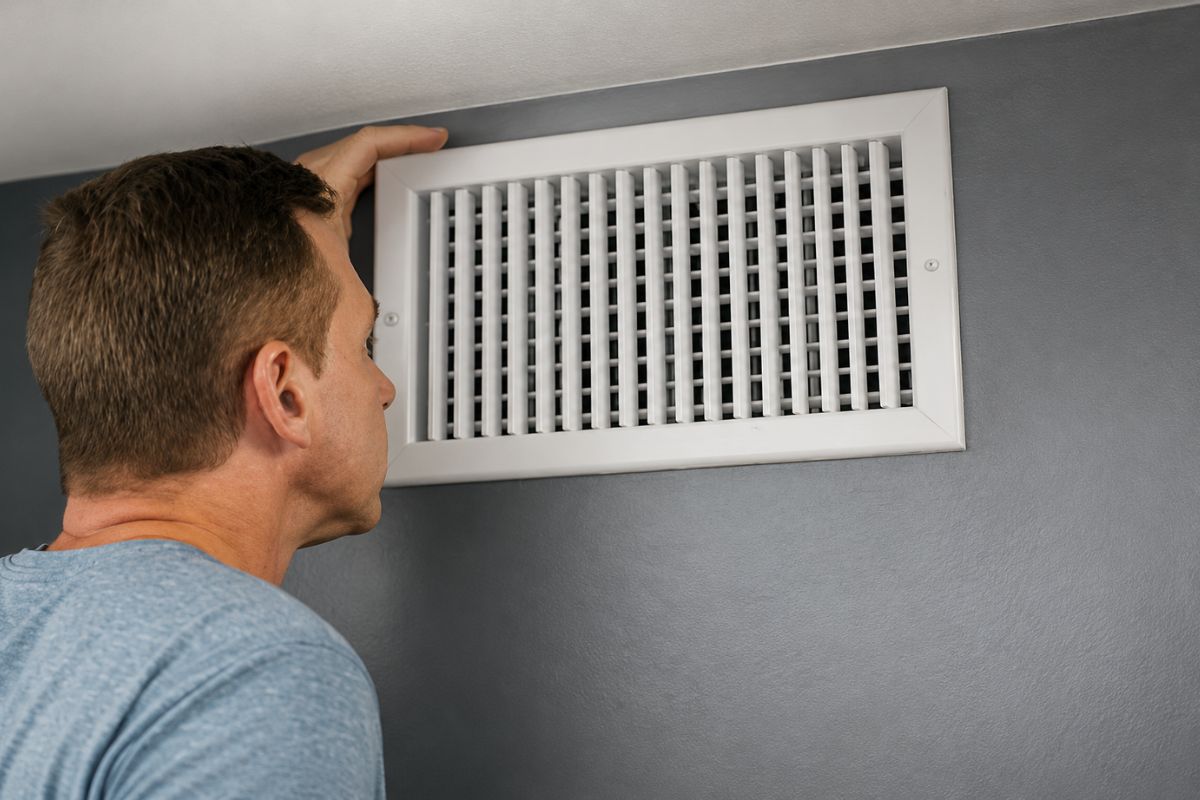
Smoke traveled through ductwork
Water entered vents or shafts
Mold risk in long-wet ventilation paths
Dirty HVAC = redistributed contaminants.
Structural Repairs & Rebuild
After mitigation and remediation, buildings need to be put back together.
Typical Repairs:
Drywall and insulation
Flooring
Paint
Electrical + plumbing
Mechanical assessments
Contents Restoration
Contents often decide how livable a space feels after a loss.
Options:
On-site stabilization
Pack-out to an off-site cleaning facility
Specialty vendors for electronics, documents, and art
Non-Salvage Candidates:
Items exposed to heavy smoke
Porous goods contaminated by sewage
Salvage what makes sense and document what doesn’t.
Restoration Process: Step by Step
Restoration moves in a straight line when handled correctly. Each stage sets up the next – skip one, and you pay for it later.
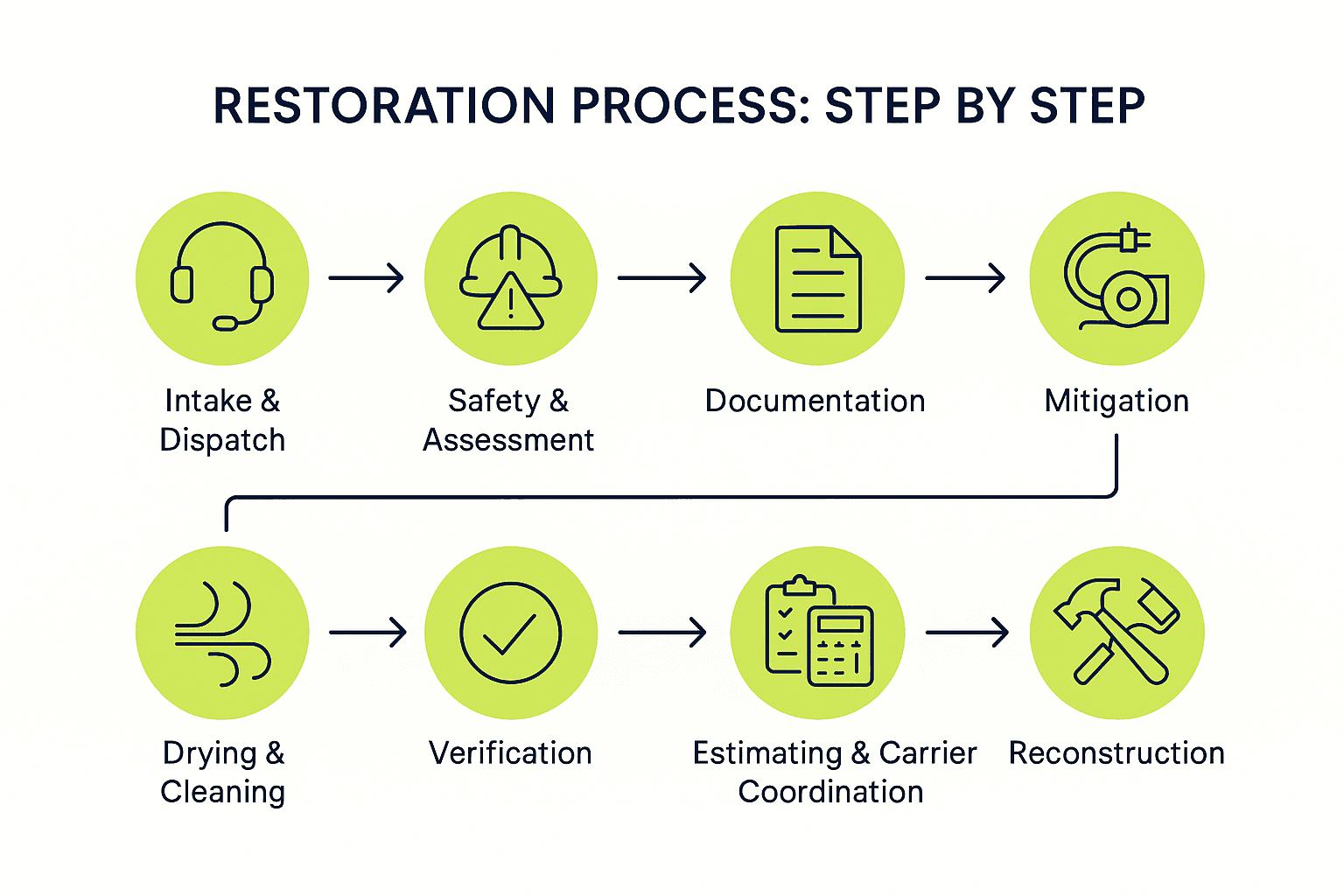
1. Intake & Dispatch
The first call sets the tone. A good dispatcher gathers the essentials: what happened, whether the source is controlled, how many floors are affected, and any tenant risks.
2. Safety & Assessment
Once on site, the priority shifts to safety. Crews check for electrical hazards, ceiling collapse, contamination, and slip risks. Then they map moisture and damage using meters and thermal imaging.
This is where the real scope takes shape.
3. Documentation
Insurance lives and dies by documentation.
Expect:
Photos and videos
Moisture and humidity logs
Room-by-room notes
Sketches or 3D scans
If it’s not documented, it didn’t happen – at least from a carrier’s perspective.
4. Mitigation
This is the “stop the bleeding” phase.
It includes:
Controlling the source (valves, caps, tarps)
Extracting standing water
Performing controlled demolition where necessary
Setting up drying equipment to stabilize the structure
5. Drying & Cleaning
Drying isn’t guesswork. Crews return daily to log readings and adjust equipment so moisture drops steadily.
Along the way:
HEPA vacuuming clears dust and particulates
Antimicrobial treatments protect exposed framing
Odor control runs where required
6. Verification
Drying goals are based on unaffected building materials. When readings match targets and remain stable, the space passes. Only then does equipment come out.
7. Estimating & Carrier Coordination
A detailed, line-item estimate gets prepared. Adjusters review and may request a walkthrough. Supplements are filed if hidden damage is uncovered during demolition.
This is often the most bureaucratic phase, but a good contractor keeps it moving.
8. Reconstruction
Repairs, finishes, and mechanical work bring the building back online. Permits are closed out. A final closeout package – photos, logs, invoices, warranties – gives you a complete record.
The NYC Factor: Codes, Permits & Agencies
Restoration in NYC is never just about fixing the damage, but also about staying on the right side of agencies, permits, and compliance.
The work itself is only half the job. The paperwork and approvals are the other half. NYC’s building stock is old, layered, and heavily regulated, which means restoration touches more agencies than most owners expect.
When DOB Permits Come Into Play
You’ll need filings for anything that isn’t superficial. Common triggers include:
Structural repairs
Drywall replacement above minimal thresholds
Any electrical or plumbing work beyond like-for-like
DOB filings protect you from insurance issues and stop-work orders.
Landmarks Preservation Commission (LPC) Requirements
If your building sits in a historic district or has landmark designation, even small exterior repairs need LPC approval. Sometimes interiors do too.
Common LPC Triggers:
Exterior façade patching
Window or door replacement
Masonry repair
Agencies That Commonly Intersect With Restoration
FDNY: Post-fire access, investigations, and safety conditions
HPD: Habitability concerns in rentals and supportive housing
DEP: Sewer events, environmental hazards, asbestos oversight
DOT: Sidewalk/roadway permits for dumpsters, scaffolding, or equipment staging
FISP/Local Law 11: If façade damage or safety risks exist on buildings 6+ stories
Working With Insurance in NYC
Insurance moves slowly unless you give it what it needs up front. Speed matters because damage gets worse fast – especially water and smoke.
Your First 24 Hours
Think safety, documentation, and communication.
Ensure the property is safe
Photograph and film everything before moving a single item
Notify your insurer to open a claim
Start professional mitigation so damage doesn’t escalate
What Insurers Expect
Most carriers want the same core documentation:
Moisture readings (daily)
Photo and video evidence
Itemized scopes of loss
Labor, material, and equipment logs
Written descriptions of what was damaged and why
Restoration companies fluent in insurance language make this smoother.
Common Mistakes That Slow Claims
Beginning repairs before the adjuster inspects
Sparse or inconsistent documentation
Missing insurer deadlines
Misunderstanding ACV vs RCV (and how depreciation works)
Most headaches are preventable. Keep records tight and communication consistent.
DIY vs Professional: What’s Safe?
Some tasks are safe for owners or supers. Others absolutely are not. The line exists for a reason.
Reasonable DIY Tasks
Taking photos and videos
Turning off water, gas, or electrical (if safe)
Moving valuables out of wet zones
Replacing HVAC filters
Light, non-porous surface cleaning
These are low-risk if done before crews arrive.
When You Should Stop & Call A Professional
Professional-only tasks include:
Water extraction
Sewage or contamination cleanup
Mold removal beyond basic surface wiping
Electrical repairs
Structural or load-bearing work
These jobs require equipment, PPE, training, and – in NYC – often permits.
Risks of DIY Restoration
When people go too far on their own, the fallout is predictable:
Hidden moisture leading to mold growth
Structural damage from improper demolition
Insurance claims denied due to unverified work
Safety hazards (shock, collapse, contamination)
DIY is great for documentation and prep, but not for actual restoration.
Restoration Cost in NYC
NYC restoration pricing has patterns once you zoom out. Most jobs fall into predictable ranges, shaped by what happened, how long it sat, and what the building throws at you in terms of access and compliance.
Typical NYC Restoration Cost Ranges
Water Damage Restoration: $1,700–$16,000+
Fire Damage Restoration: $3–$7+ per sq ft
Smoke Damage Cleanup: $1,000–$100,000+
Mold Remediation: $800–$20,000+
HVAC/Duct Cleaning (post-loss): $400–$600 residential; $0.35–$1.00 psf commercial
The Major Cost Drivers
Contamination level: Clean vs gray vs black water; soot type; mold severity.
Time before mitigation: Hours help. Days turn into demolition.
Building type + age: Pre-war plaster, stacked risers, old wiring, tight basements.
Access constraints: Elevators, freight bookings, parking, union rules, after-hours.
Hidden conditions: Asbestos, lead, rotted studs, hidden mold.
NYC Pricing Snapshot (By Project Type)
Water Damage
Minor: $1,700–$5,000
Moderate: $5,000–$10,000+
Severe/Contaminated: $10,000–$16,000+
Fire Damage
Light: $3–$4 psf
Moderate: $4–$6 psf
Structural: $6–$7+ psf
Smoke Cleanup
Small apartment: $1,000–$3,000
Medium home: $6,000–$12,000
Large home: $15,000–$25,000+
Commercial: $7,000–$100,000+
Mold
Small: $800–$2,000
Moderate: $2,500–$7,500
Large/hidden: $7,500–$20,000+
Whole-home: $15,000–$30,000+
Frequently Asked Questions
How fast can permits be pulled after an emergency?
Stabilization can start immediately. Reconstruction permits via DOB NOW typically take 2–10 business days; plan review comments or LPC approvals can add a week. Good documentation speeds it up.
Do I need asbestos or lead testing before demo?
In pre-1980 buildings, assume yes. An ACP-5 (asbestos) and XRF lead testing are often required before removal. Skipping tests risks stop-work orders and insurance headaches.
Can crews work nights or weekends in NYC?
Usually, with building approval and Noise Code compliance. Expect 20%+ after-hours premiums and possible DOT permits for sidewalk/roadway staging. We coordinate access to minimize complaints.
How do we decide what to repair vs. replace?
If a material is structurally sound and can be verified clean, dry, and odor-free, we restore. Porous items hit by sewage or heavy protein smoke are replaced. Every call is documented for the adjuster.
Need A Clear Restoration Path Forward?
Tap into 15+ years of NYC restoration expertise, right at your door.
Conclusion
Restoration services in NYC are rarely simple. One leak can spread through three floors, a kitchen fire can leave protein smoke in places you’d never expect, and mold can appear long before anyone sees a stain.
The thread running is pretty straightforward: the faster you stabilize the damage and the clearer your documentation is, the fewer surprises you’ll deal with later.
Good restoration is about sequencing – safety, assessment, mitigation, cleaning, then rebuild – and doing each step with enough detail that insurance, DOB, and tenants don’t slow you down.
If you need a plan that fits your building, get a free quote. A quick on-site look lets you understand what’s urgent, what can wait, and what the path forward looks like without.